
The Cognitive Glass Ceiling: Why Memory Health is the Hidden Variable in Physical Rehabilitation

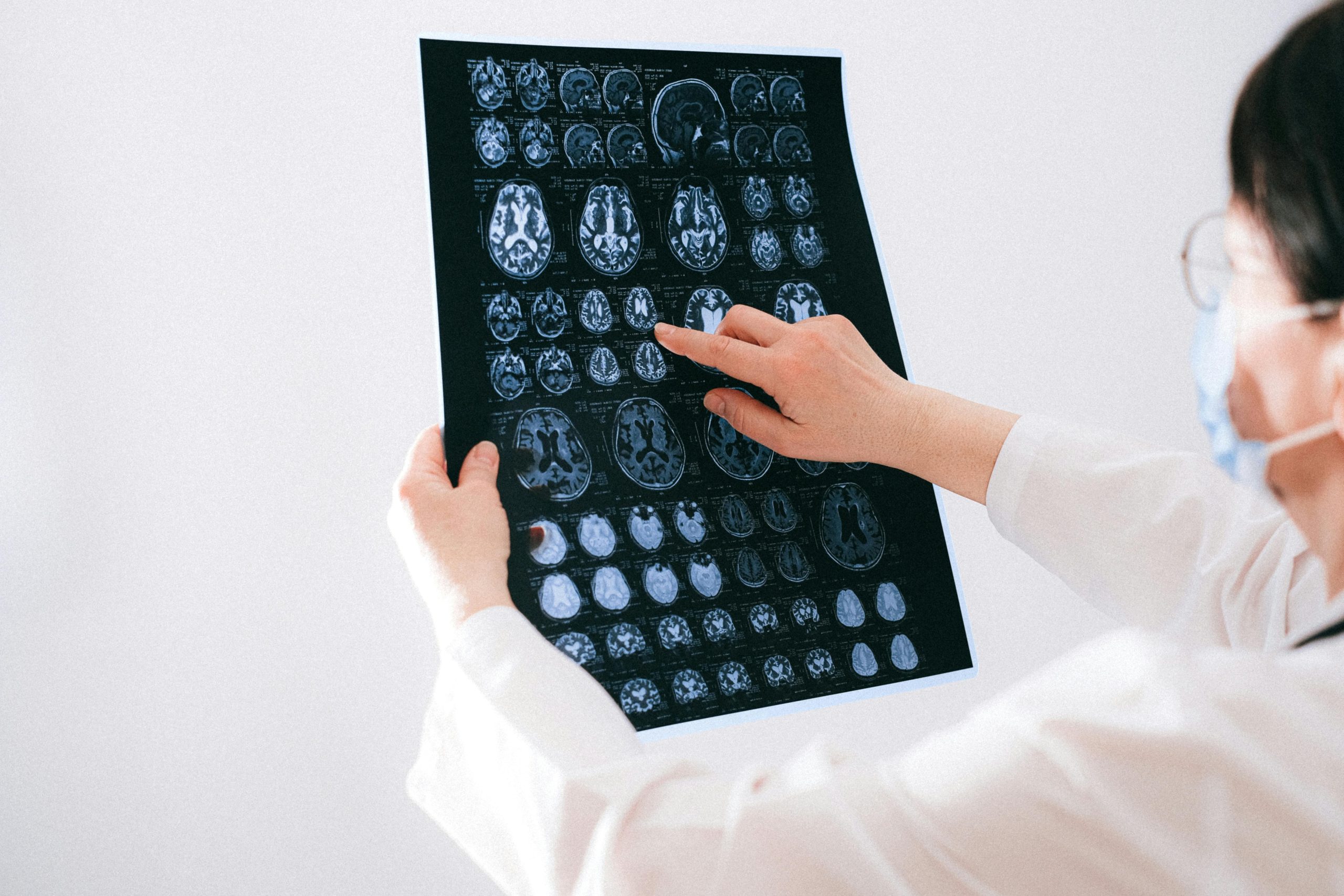
In my two decades of clinical practice—whether I am coordinating care in the Philippines or managing a geriatric wing in Alicante, Spain—I have seen a recurring tragedy in the hallways of our rehabilitation centers. A patient arrives after a successful hip surgery or a stroke, ready for the “physical” work of recovery. Their muscles are capable, their heart is strong, and their surgeon is optimistic. Yet, week after week, they struggle to make the gains we expect.
As we move through January 2026, we are finally addressing the silent “glass ceiling” of recovery: Cognitive Impairment (CI). For too long, we viewed rehabilitation as a mechanical process—fix the joint, strengthen the muscle. But the research published in the Journal of the American Geriatrics Society (JAGS) has forced a radical shift in our “intellectual honesty.” It proves that the brain’s ability to think, remember, and process instructions is the primary driver of whether a patient returns home or remains in a nursing facility.
As your health thought partner, I want to break down this monumental study of nearly 250,000 residents and explore how memory and cognition dictate the “velocity” of your physical recovery.
1. The CMS Shift: Measuring What Truly Matters for Independence
For years, the way we measured “success” in Skilled Nursing Facilities (SNFs) was somewhat fragmented. However, the Centers for Medicare and Medicaid Services (CMS) recently implemented new, standardized measurements to evaluate how well patients perform their “Daily Routines.”
The New Functional Metrics
These measures aren’t just about “walking a certain distance.” They focus on the core activities of Physical Autonomy:
- Eating and Oral Hygiene: The fine motor skills and cognitive sequencing required to nourish and care for oneself.
- Toileting and Hygiene: The ability to navigate the bathroom safely and maintain dignity.
- The “Sit-to-Lying” Transition: Mastering the bed-mobility required for a safe night’s sleep.
- Sit-to-Stand and Transfers: The most critical movement for preventing falls and ensuring a patient can move from a bed to a chair independently.
The JAGS study was the first to look at how cognitive impairment interferes with these specific metrics. It revealed that physical therapy is not just a “muscle” exercise; it is a “cognitive” exercise. If you cannot remember the sequence of movements required to stand up safely, the strongest legs in the world cannot take you home.
2. The Cognitive Spectrum: A Breakdown of the Study Population
The study analyzed 246,395 skilled nursing home stays. This massive dataset gives us a statistically robust look at the reality of our aging population in rehabilitation.
The Cognitive Reality at Admission
When older adults are admitted for short-stay rehab (averaging about 24 days), they enter with varying levels of mental clarity. The study provided these concrete numbers:
- Cognitively Intact: 68% (No impairment)
- Mild Impairment: 18.3%
- Moderate Impairment: 11.8%
- Severe Impairment: 1.7%
The “One-Point” Disparity
The researchers used a functional scale ranging from 1 (Dependent) to 6 (Independent). The gap in improvement was staggering:
- Cognitively Intact Patients: Improved their functional scores by an average of 2.0 points.
- Severely Impaired Patients: Improved by an average of only 1.0 point.
While nearly 100% of cognitively intact residents showed some level of improvement in mobility, that number dropped to 87% for those with severe cognitive challenges. In the world of geriatric rehab, that “one-point” difference is often the difference between a patient returning to their own garden in Spain or moving into long-term institutional care.
3. Racial Disparities and the “Weathering” of Cognitive Health
As your physician, I must address the uncomfortable but necessary data regarding racial groups and rehabilitation. We cannot have a transparent conversation about CKM Syndrome or Geriatric Rehab without acknowledging how systemic factors influence these cognitive outcomes.
Disparities in Admission and Quality
Data from the American Geriatrics Society and supporting research in 2025/2026 highlights a significant divide in how different groups experience rehabilitation:
| Demographic Group | Likelihood of Cognitive Impairment at SNF Admission | Clinical Outcome Trend |
| White Adults | Baseline | Highest rate of “Independent” (6) discharge. |
| Black Adults | 1.5x Higher than White peers | Often admitted to SNFs with lower staffing ratios. |
| Hispanic/Latino | 1.3x Higher than White peers | Higher rates of “Moderate” impairment at admission. |
The “Double Burden”
Black and Hispanic patients are statistically more likely to enter rehab with higher levels of cognitive impairment, often due to the Metabolic Weathering of lifetime stressors and untreated cardiovascular risk factors. When you combine this with the fact that these groups are often discharged to facilities with fewer specialized memory-care resources, the “Cognitive Glass Ceiling” becomes even harder to break.
In my practice, this means we must advocate for “Equitable Intensity.” A Black patient with moderate CI needs more therapy sessions, not fewer, to achieve the same functional baseline as a cognitively intact peer.
4. Why Cognition is the “Software” of Physical Recovery
To understand why a memory problem slows down a hip recovery, we have to look at the Neurobiology of Motor Learning.
Executive Function and Sequencing
Standing up from a chair seems simple, but it requires a complex cognitive sequence:
- Slide to the edge of the seat.
- Tuck your feet back.
- Lean forward (“nose over toes”).
- Push off the armrests.
Patients with cognitive impairment struggle with Executive Functioning—the ability to plan and execute these steps. They may have the leg strength, but the “software” (the brain) cannot coordinate the “hardware” (the muscles).
The “Safety Buffer”
Cognition also provides the “Safety Buffer.” A cognitively intact patient remembers to use their walker and recognizes a slippery floor. A patient with CI may “forget” they had surgery and attempt to walk unassisted, leading to the falls that the study noted affected 50% of the participants in the six months before admission.
5. Integrating the 2026 Longevity Roadmap into Rehab
The findings of this study reinforce the “Full Circle” approach of CKM Syndrome. If we want better rehab outcomes, we must protect the brain long before the patient ever falls.
The NAD+ and Nrf2 Connection
As we discussed in the Scripps Research on diAcCA (the rosemary derivative), protecting the synapses is the key to preventing the “one-point” improvement gap. If we can keep the brain’s Nrf2 pathway active, we ensure the patient has the “cognitive reserve” needed to follow the therapist’s instructions.
Sarcopenia and the “Brain-Muscle Axis”
Muscle loss (Sarcopenia) and Cognitive Impairment are often two sides of the same coin. In my Sarcopenia y Vitalidad programs in Spain, we treat the brain and muscle as a single unit. We use:
- Progressive Resistance Training (PRT): Not just to build legs, but to release the myokines that support the BDNF (brain-derived neurotrophic factor) needed for motor learning.
- The 10-Minute Continuous Flow: To ensure the brain receives steady blood flow, reducing the “vascular noise” that clouds thinking during rehab.
6. The Call for “Intense Rehabilitation”
The researchers concluded with a powerful recommendation: residents with cognitive impairment may need additional support and more intense rehabilitation to make the same gains.
In the 2026 clinical landscape, “Intense” doesn’t mean “exhausting.” It means Precision Rehab:
- Errorless Learning: Using techniques that prevent the patient from “practicing” the wrong way to stand.
- Environmental Cueing: Using colors and physical markers to guide a patient through their daily routine.
- Nutritional Priming: Ensuring the patient is “pre-loaded” with the flavanols and Omega-3s we’ve discussed to lower neuro-inflammation during the rehab window.
How I Can Help You Navigate the Complexities of Rehab
If you or a loved one is entering a rehabilitation facility, the “physical” plan is only half the story. I am here to help you ensure the “cognitive” side of the equation is supported.
Online Medical Consultations (Philippines & Global)
For the Filipino community and OFWs, I offer 24/7 secure consultations via SeriousMD. We approach recovery through a systemic, empathetic lens.
- Cognitive-Functional Review: Assessing your CI stage and how it might impact your post-surgery recovery.
- Advocacy Coaching: Helping you ask the right questions of your rehab team to ensure your loved one gets the “Intense” care the JAGS study recommends.
- Metabolic Support: Designing a “Brain-Shield” diet to maximize neuroplasticity during the 24-day rehab window.
BOOK YOUR MEDICAL CONSULTATION NOW ON SERIOUSMD
Geriatric Rehab & Anti-Aging Clinic (Alicante & Costa Blanca, Spain)
For the international community in Spain, we specialize in the “Integrated Recovery” that bridges the gap between memory and mobility.
Visit our local sites: Puente Costa Blanca (.com) | Puente Costa Blanca (.es)
Our Specialized Services in Spain:
- Neuro-Functional Training: Specific drills designed to help those with mild-to-moderate CI master the “sequencing” of daily routines.
- Sarcopenia y Vitalidad: PRT programs that use the “eccentric” movements we discussed to build strength without over-taxing the brain’s energy reserves.
- Autonomy & Comfort: Modifying your home environment in the Costa Blanca region to match your “cognitive functional score,” ensuring you remain independent longer.
Final Thoughts from Dr. Marie
The 2018 study, now fully realized in our 2026 protocols, is a reminder of Intellectual Honesty. We cannot treat the hip and ignore the head. Recovery is a beautiful, complex dialogue between the brain and the body. By acknowledging the “cognitive glass ceiling,” we can finally build the ladders—through nutrition, intensity, and specialized training—that allow every patient to climb toward their best possible life.
Let’s protect your brain so your body can thrive.
Dr. Marie Gabrielle A. Laguna, MSc, M.D., FPCP, FDip (Geriatric Rehab, UK) Internal Medicine & Senior Health Specialist
LEAVE A REPLY